
Casino slot machines are a popular form of entertainment in casinos worldwide, attracting millions of players with their flashing lights, engaging sounds, and the allure of winning big. Understanding how these machines work can enhance the gaming experience and provide insights into the odds and mechanics behind them.
At the core of a slot machine is a random number generator (RNG), which is a computer program that generates a sequence of numbers at a rapid pace, typically hundreds or thousands of times per second. This RNG is responsible for determining the outcome of each spin, ensuring that the results are random and fair. When a player pulls the lever or presses the spin button, the RNG stops generating numbers, and the machine displays the corresponding symbols on the reels.
Modern slot machines have transitioned from mechanical reels to digital displays, allowing for more complex graphics and gameplay features. However, the fundamental principle remains the same. Each symbol on the reels corresponds to a specific payout, and players aim to align matching symbols across one or more paylines to win. Paylines are the lines on which winning combinations are formed, and they can vary in number from a single line to hundreds, depending on the machine.
The payout structure of slot machines is determined by the game’s return to player (RTP) percentage, which indicates the average percentage of wagered money that a player can expect to win back over time. For example, a slot machine with an RTP of 95% theoretically returns $95 for every $100 wagered. However, this is an average over many spins, and individual outcomes can vary widely.
Another important feature of slot machines is the concept of volatility, which refers to the risk associated with playing a particular game. High-volatility slots tend to offer larger payouts but less frequently, while low-volatility slots provide smaller, more consistent wins. Players often choose machines based on their risk tolerance and Bonanza Billion gaming preferences.
In addition to traditional paylines, many modern slot machines incorporate bonus features, such as free spins, wild symbols, and progressive jackpots. Free spins allow players to spin the reels without wagering additional money, while wild symbols can substitute for other symbols to create winning combinations. Progressive jackpots are linked across multiple machines, increasing the potential payout as more players contribute to the jackpot pool.
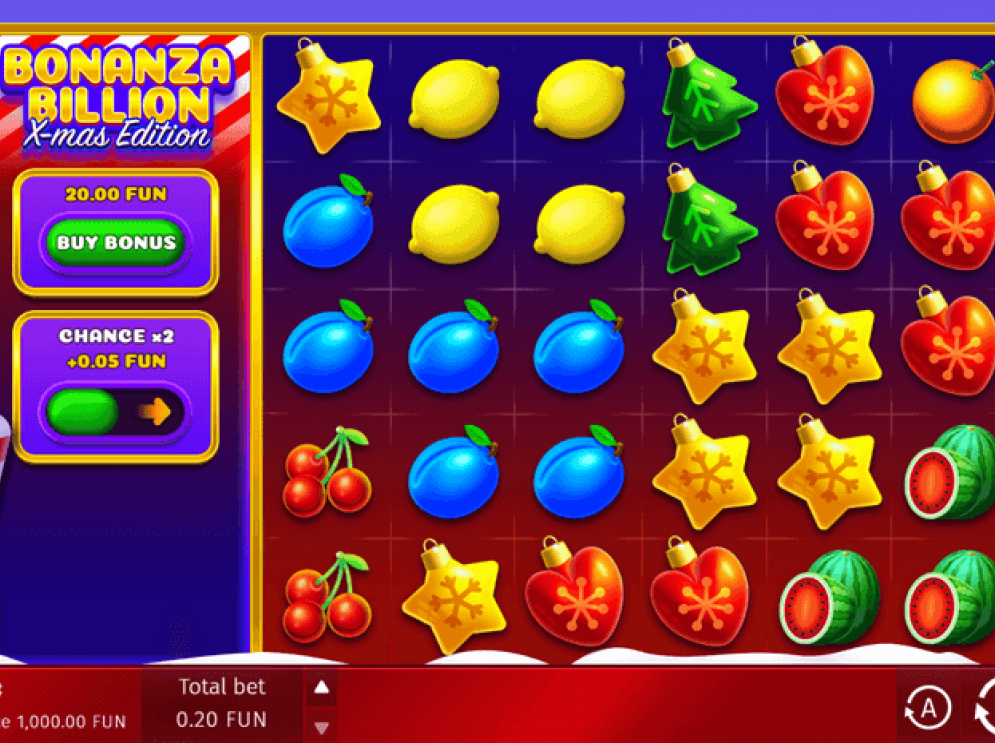
The physical components of a slot machine include the reels, which can be mechanical or digital, and the coin or ticket acceptor. Players insert coins or tickets to place their bets, and the machine tracks the player’s credits. When a player wins, the machine dispenses coins or credits according to the payout table.
In conclusion, casino slot machines operate through a combination of random number generation, payout structures, and engaging gameplay features. Understanding these mechanics can help players make informed decisions while enjoying the thrill of the game. As technology continues to evolve, slot machines are likely to become even more interactive and entertaining, maintaining their status as a staple of the casino experience.