
The concept of the casino, as a dedicated space for gambling and entertainment, has a rich and complex history that spans centuries and continents. While it is difficult to attribute the invention of the gq bet casino to a single individual, the evolution of gambling establishments can be traced back to ancient civilizations, with significant developments occurring in Europe during the Renaissance period.
The earliest forms of gambling can be found in ancient China, where games of chance using dice were played as early as 2300 BC. Similarly, the Romans engaged in various betting activities, and the Greeks had their own gambling games. However, the first establishments that resembled modern casinos began to emerge in Italy during the 17th century. The term “casa” in Italian, meaning “house,” referred to places where people could gather to play games of chance.
The first official casino is often credited to the Casino di Venezia, which opened in Venice in 1638. This establishment was originally a theater but was converted into a gambling house to provide entertainment for the elite. The Casino di Venezia set the stage for the development of similar establishments across Europe, particularly in France.
In France, the gambling culture flourished during the reign of King Louis XIV. The French aristocracy embraced games like baccarat and chemin de fer, leading to the establishment of various gaming houses. In 1763, the first purpose-built casino, known as the “Maison de Jeu,” was opened in Paris. This marked a significant shift in the gambling landscape, as these venues began to offer a wider range of games and amenities.
The term “casino” itself derives from the Italian word “casa,” which translates to “little house.” Initially, it referred to small country houses used for leisure activities, including gambling. Over time, the term evolved to denote establishments specifically designed for gaming and entertainment.
The 19th century saw the rise of casinos in other parts of Europe, particularly in Baden-Baden, Germany, and Monte Carlo, Monaco. The Casino de Monte-Carlo, established in 1863, became one of the most famous casinos in the world and played a crucial role in popularizing gambling as a form of entertainment. It attracted wealthy patrons and tourists, further solidifying the casino’s status as a luxurious destination.
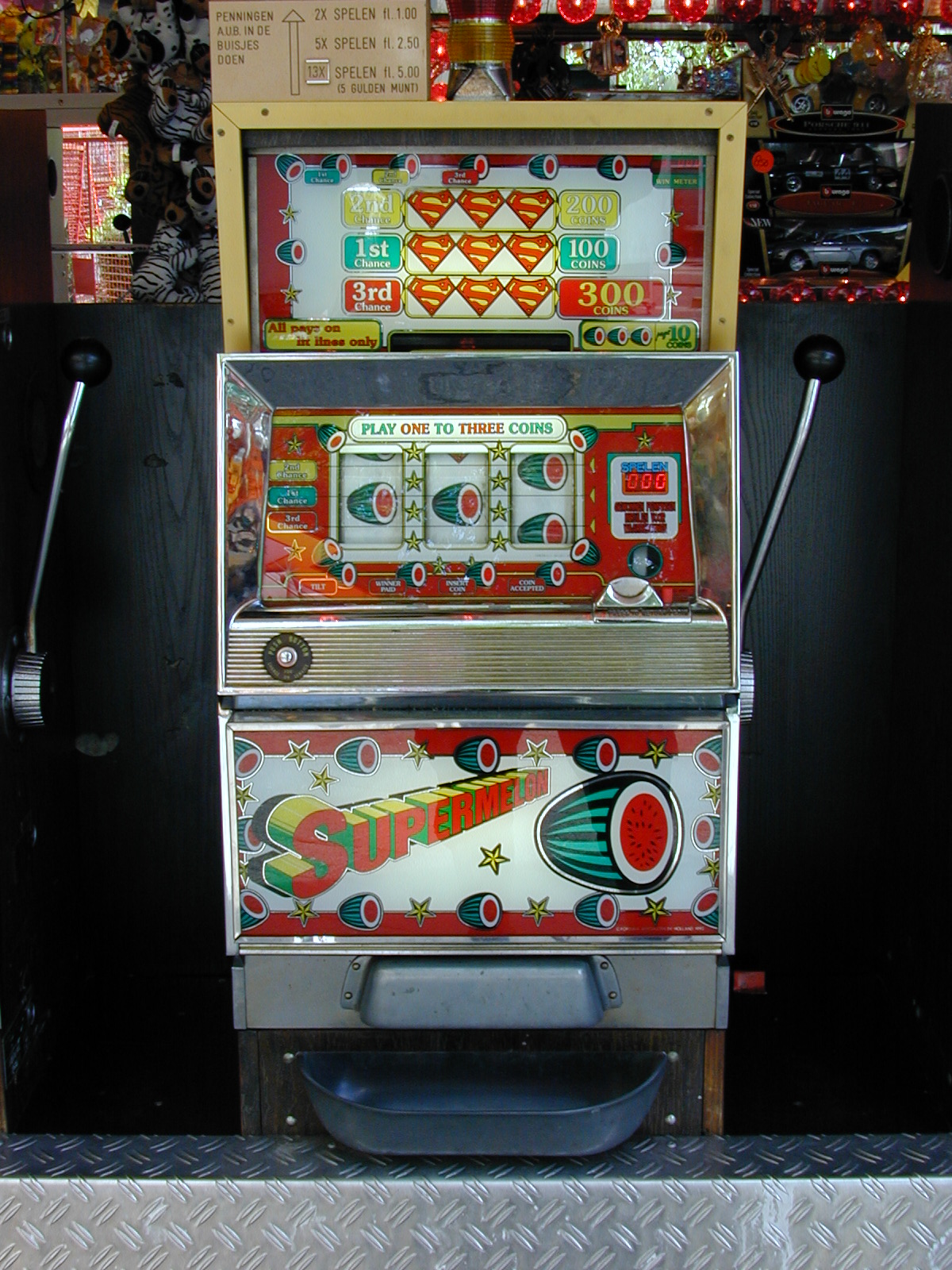
The expansion of casinos continued into the 20th century, with the United States emerging as a significant player in the global gambling industry. The legalization of gambling in Nevada in the 1930s led to the establishment of Las Vegas as the gambling capital of the world. The iconic casinos of Las Vegas, such as the Bellagio and Caesars Palace, transformed the gambling experience into a spectacle of entertainment, combining gaming with lavish shows, fine dining, and opulent accommodations.
In conclusion, while the invention of the casino cannot be attributed to a single inventor, its development is a culmination of cultural practices and innovations that evolved over centuries. From the early gambling houses in Italy to the grand casinos of Las Vegas, the casino has transformed into a multifaceted entertainment venue that continues to captivate people around the globe.